
Your flu vaccine order could be one of the biggest purchasing decisions your practice makes this year. Is it based on this year’s demand or last year’s invoice?
Every year, GP practices commit thousands of pounds to purchasing flu vaccines before administering a single vaccination. With practice finances under increasing pressure, the annual flu vaccine order is one of the largest seasonal purchasing decisions many practices make.
During a conversation with another organisation exhibiting alongside us at the recent AISMA Conference, an interesting question was raised:
“Are GP practices ordering this year’s flu vaccines based on expected demand, or simply repeating last year’s order?”
It’s a simple question, but an important one.
Previous uptake should absolutely form part of the planning process. However, it shouldn’t be the only consideration. Practice populations change, eligible cohorts evolve, patient behaviour shifts and patients increasingly have more choice about where they receive their vaccination.
In fact, recent NHS England data shows a gradual increase in vaccinations being delivered through community pharmacies alongside general practice. Whilst GP practices remain central to the flu vaccination programme, changes in where patients choose to be vaccinated could influence demand at an individual practice.
Before confirming this year’s order, practices may want to review:
- Last year’s order versus the number of vaccines actually administered.
- Vaccines that remained unused or were written off.
- Changes to practice list size and eligible patient cohorts.
- Uptake across different patient groups.
- Local vaccination provision through community pharmacy and other providers.
- Supplier terms relating to staged deliveries, amendments, credits or returns where available.
Interestingly, the information needed to make better ordering decisions already exists within every practice. NHS guidance already requires practices to maintain records of vaccines ordered, received, returned, redistributed and wasted. The opportunity is to use that information to inform this year’s purchasing decisions rather than simply repeating last year’s order.
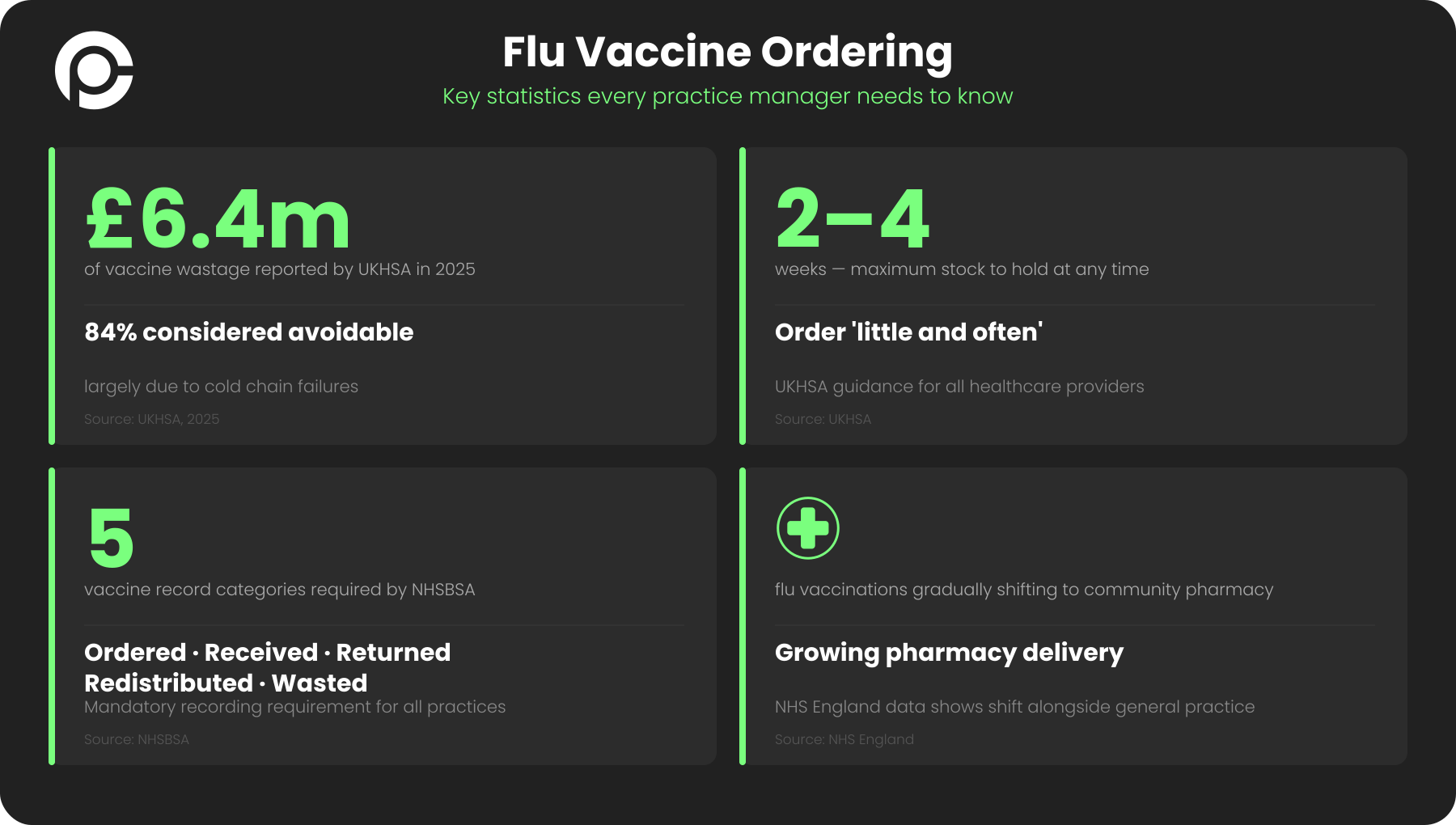
The objective isn’t necessarily to order fewer vaccines. It’s to ensure the order reflects anticipated demand this season, helping to minimise unnecessary waste whilst making the best use of practice resources.
There is also a financial consideration. Ordering more vaccines than are ultimately required can tie up valuable working capital in stock that may never be administered. Understanding supplier arrangements before placing an order may help practices understand what flexibility exists should demand differ from expectations.
Once that investment has been made, there is one final question worth asking. If those vaccines were lost tomorrow because of a refrigeration failure or another insured event, would the full replacement value actually be covered?
Interestingly, when we review surgery insurance for GP practices, we often find refrigerated stock limits haven’t been revisited for several years, despite seasonal vaccine values increasing significantly during the flu vaccination programme.
Whatever insurer you use, it’s worth checking that your refrigerated stock limit reflects the maximum value likely to be held during flu season, rather than the value of stock typically held throughout the rest of the year.
Good planning doesn’t stop once the order has been placed. It also means protecting that investment should the unexpected happen.